To demonstrate our perspective drawing skills, we are going to draw a building in a place we want to visit or live someday! You can also draw where you live, a cool house on your street, an abandoned building, a restaurant, theater, Church, Mosque or Temple -- basically any building you think is interesting and want to draw! -
Building in Perspective
Translate Page Here >>>
key terms:
- Perspective: Perspective is a set of rules artists use to make 2D drawings or paintings look 3D, like they have depth and space, just like the real world. It tricks your brain into thinking a flat surface is actually deep, wide, or far away. Perspective makes your art look realistic and immersive. Without it, things can look flat, confusing, or just plain weird. It’s like the secret sauce that makes a drawing look amazing!
- Atmospheric Perspective: How things far away look lighter, softer, and often bluer because of all the air and tiny stuff (like dust or mist) between you and them. In art, it’s a trick to make drawings or paintings feel deep and real—like. The farther away something is, the fuzzier, paler, and more blue-ish it gets..
- Overlap: When one thing covers up part of another thing in a drawing or painting. Think of it like this: If you stack a bunch of books on a table, some books will hide parts of the ones behind them. In art, overlap is a super simple way to show which objects are in front and which are in the back. It helps your brain understand depth and space—no fancy math or vanishing points needed!
- Foreshortening: When something is drawn super shortened or squished because it’s coming straight at you or angled toward you..
- Horizon Line: The imaginary line where the sky looks like it meets the ground (or the sea). Think of it like the edge of the world in your drawing—it’s the level line where everything “flat” (like a road, a field, or the ocean) seems to stop. The horizon line is super important because it helps you figure out where to place your vanishing points for perspective. It’s also where you’d see the sunrise or sunset!
- Vanishing Point: The magic "dot", or "dots" on your horizon line where all the lines that are moving away from you seem to disappear.
- Guidelines: Light, temporary lines you draw to help plan and place things before you add the real details. Think of guidelines like the pencil marks you make to sketch out a face, a building, or even a cartoon character. They’re not part of the final drawing—they’re just there to help you get the shapes, sizes, and angles right.
you will need:
- Pencils
- Eraser
- 12x18 Paper
- A Photo of your building
- Ruler or straight edge
Instructions
Here are step by step instructions on getting started!
Step 1: Think about a building in your neighborhod that you are interested in. Take a few photos of it in either 1 or 2 point perspective. .
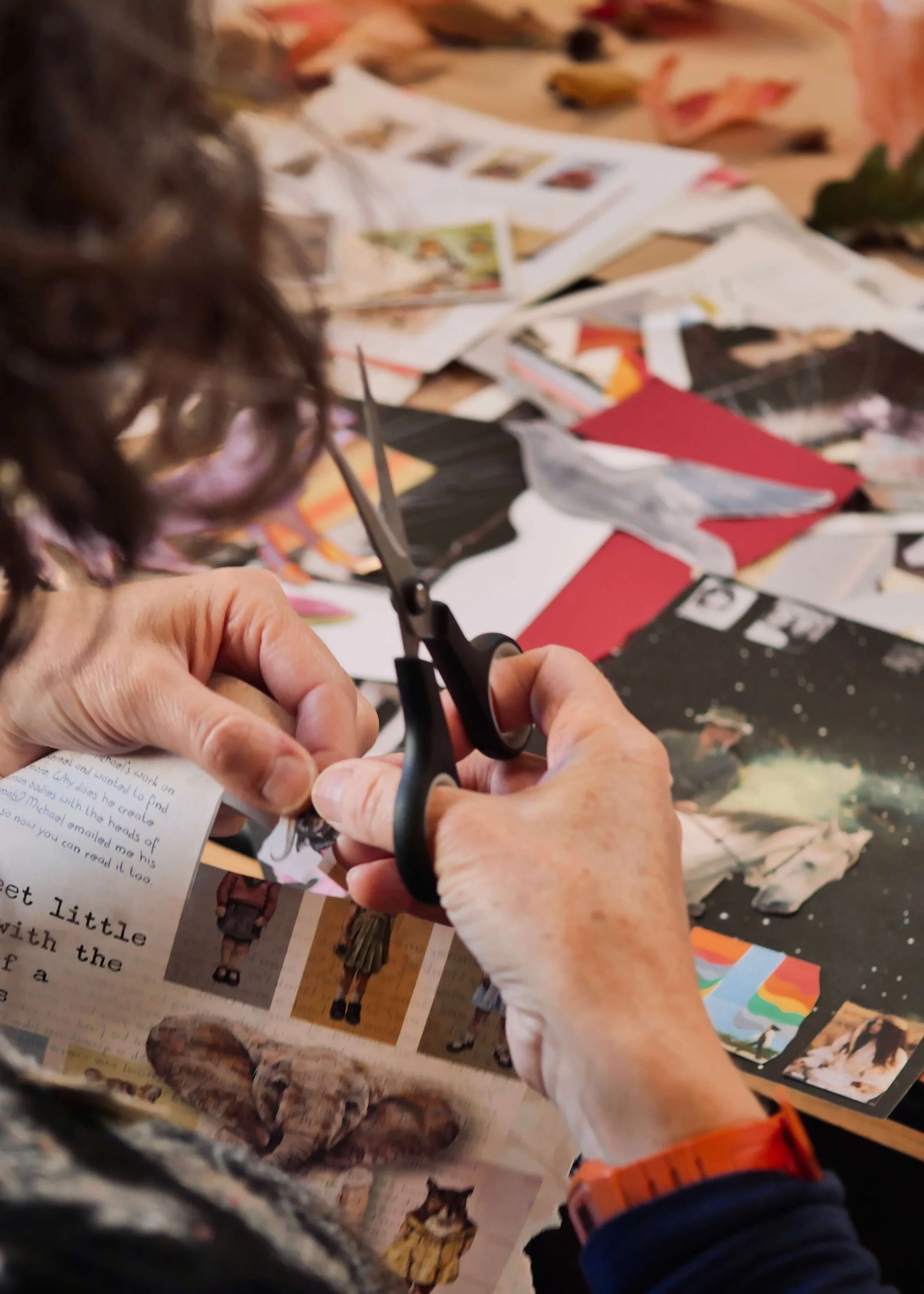
Step 2: Sketch out your building using 1 or 2 point perspective. Remember to draw REALLY LIGHTLY because we are going to erase most of the lines you are drawing.

Step 3: Before gluing anything down, arrange your collection into interesting compositions and decide how you want your cover to look. Pay close attention to color and shape.

Step 4: Once you are happy with your composition, glue everything down and carefully laminate your cover with packing tape. Here is a link to a video on laminating with tape if you need extra tips. You do not need to laminate the back of your cover.
Student Work (7-8 Points)
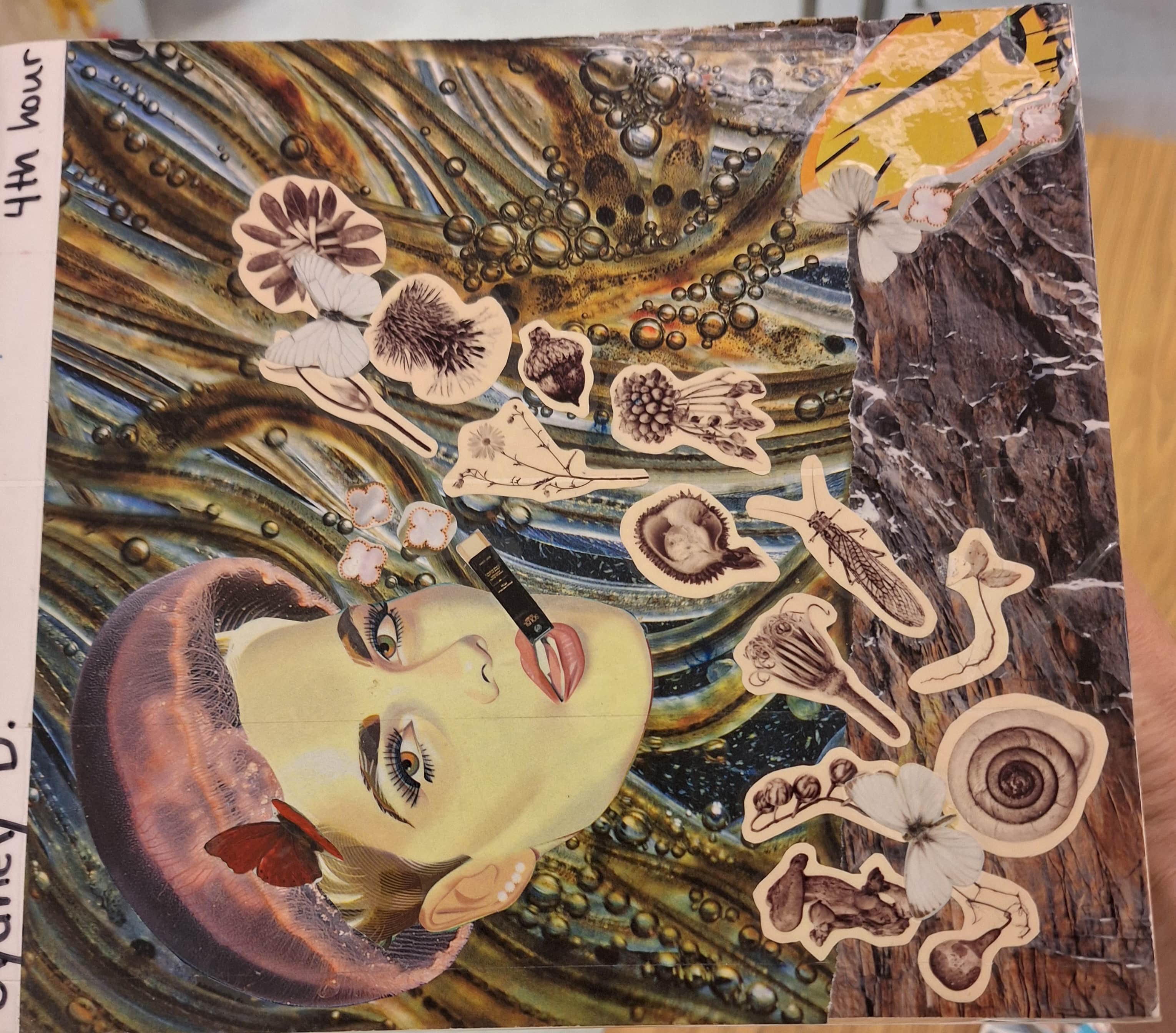
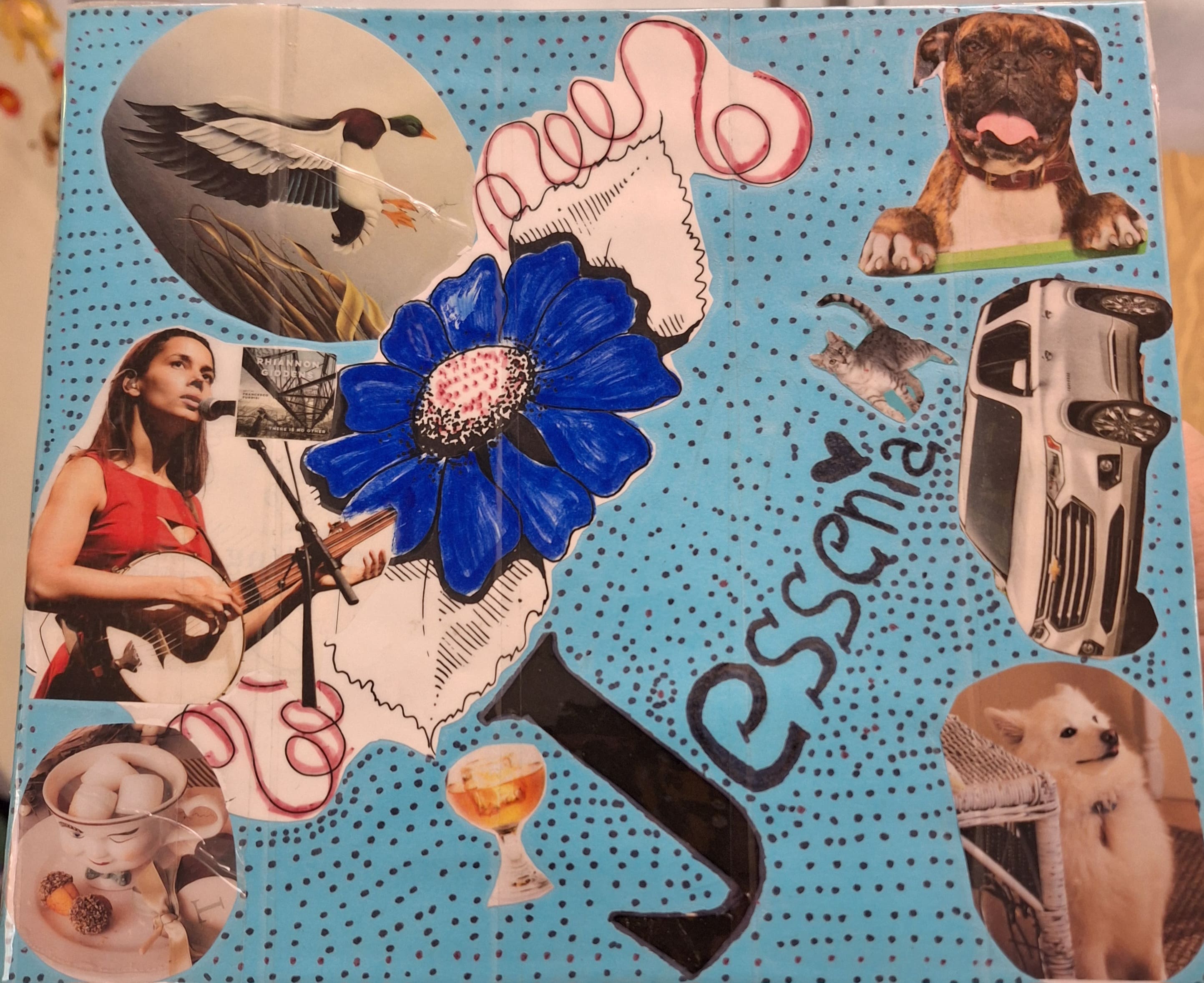
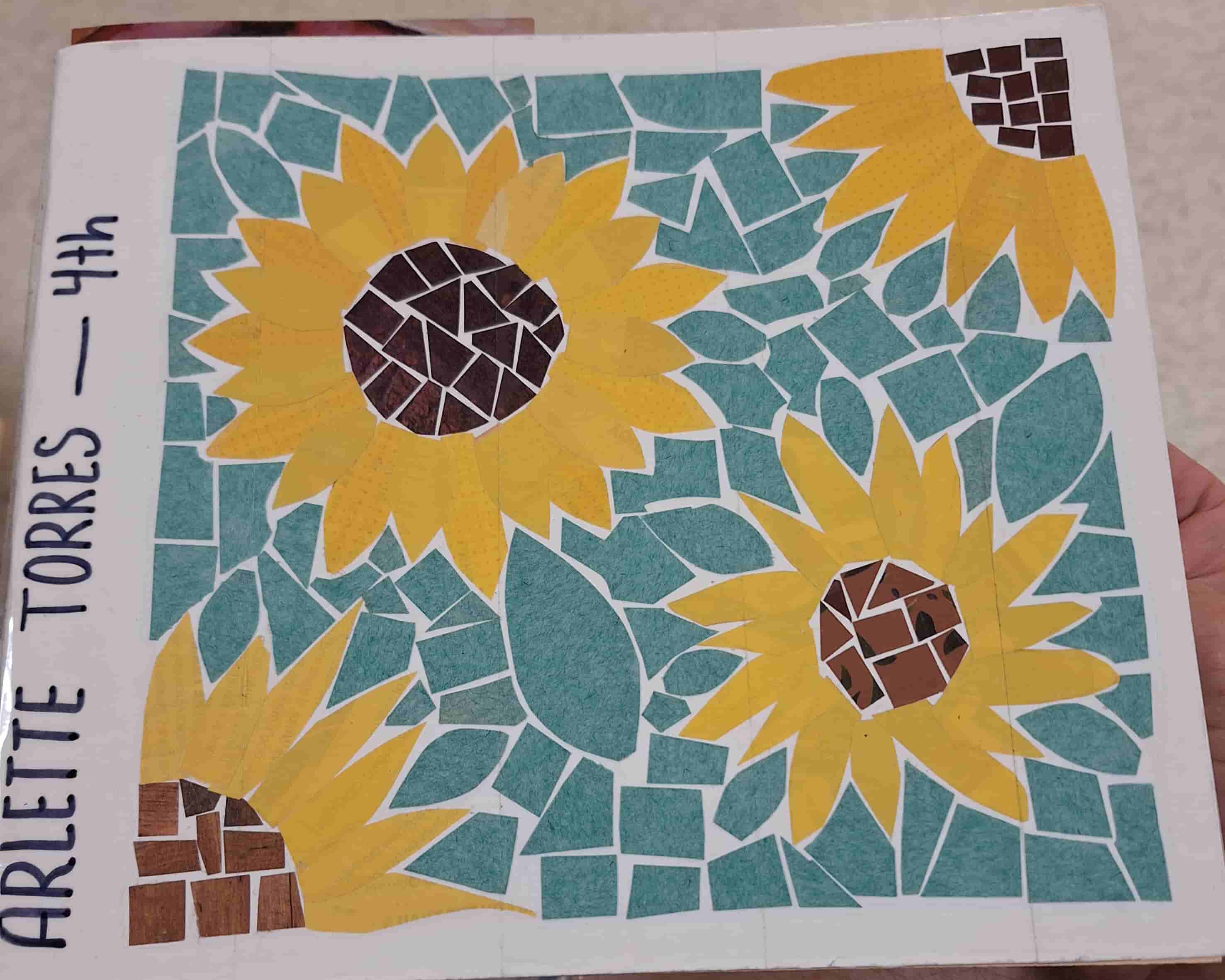
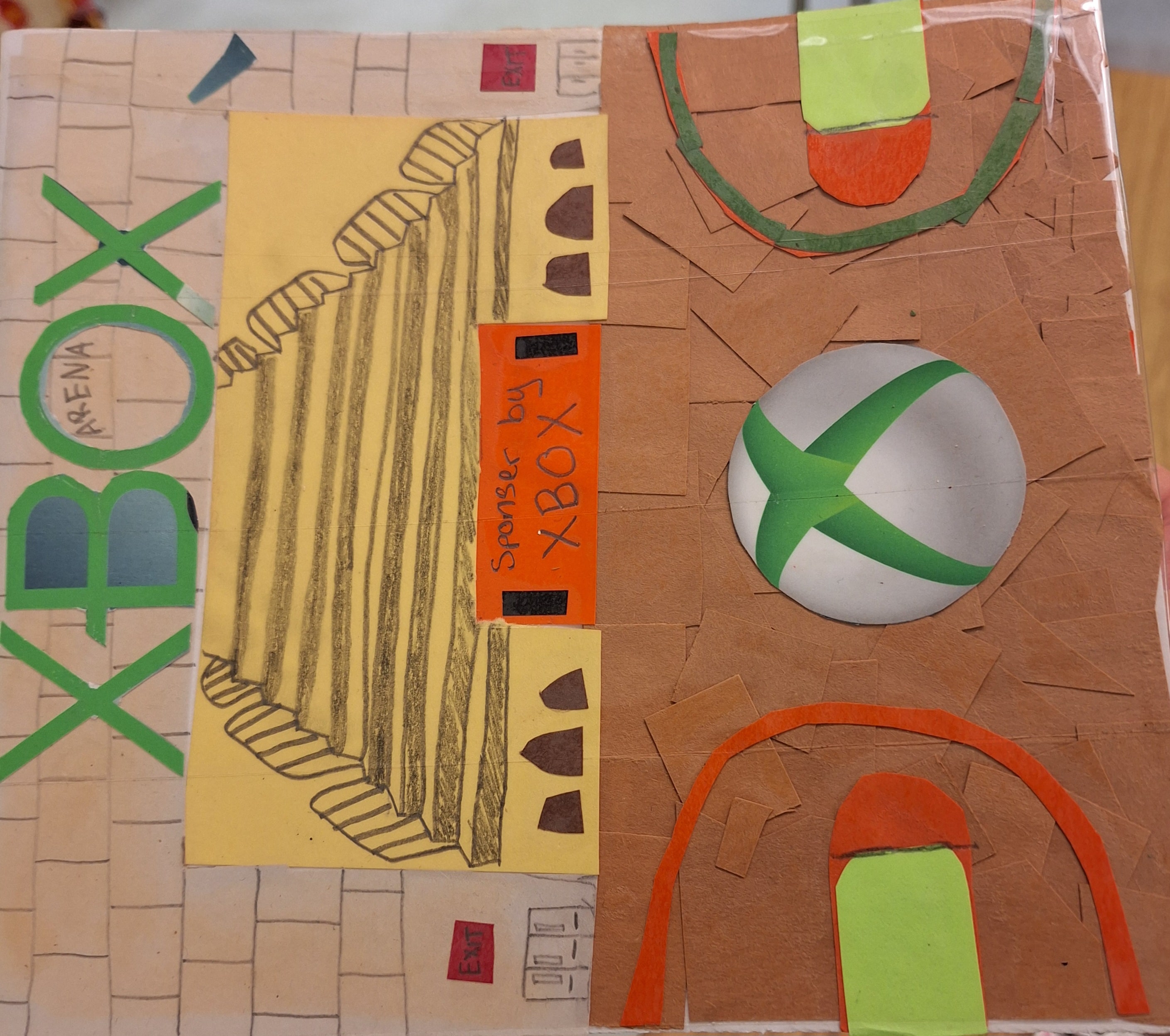
Here are some examples of students who got an A on their sketchbook. Notice the attention to detail, neatness and composition.
Student Work (5-6 Points)
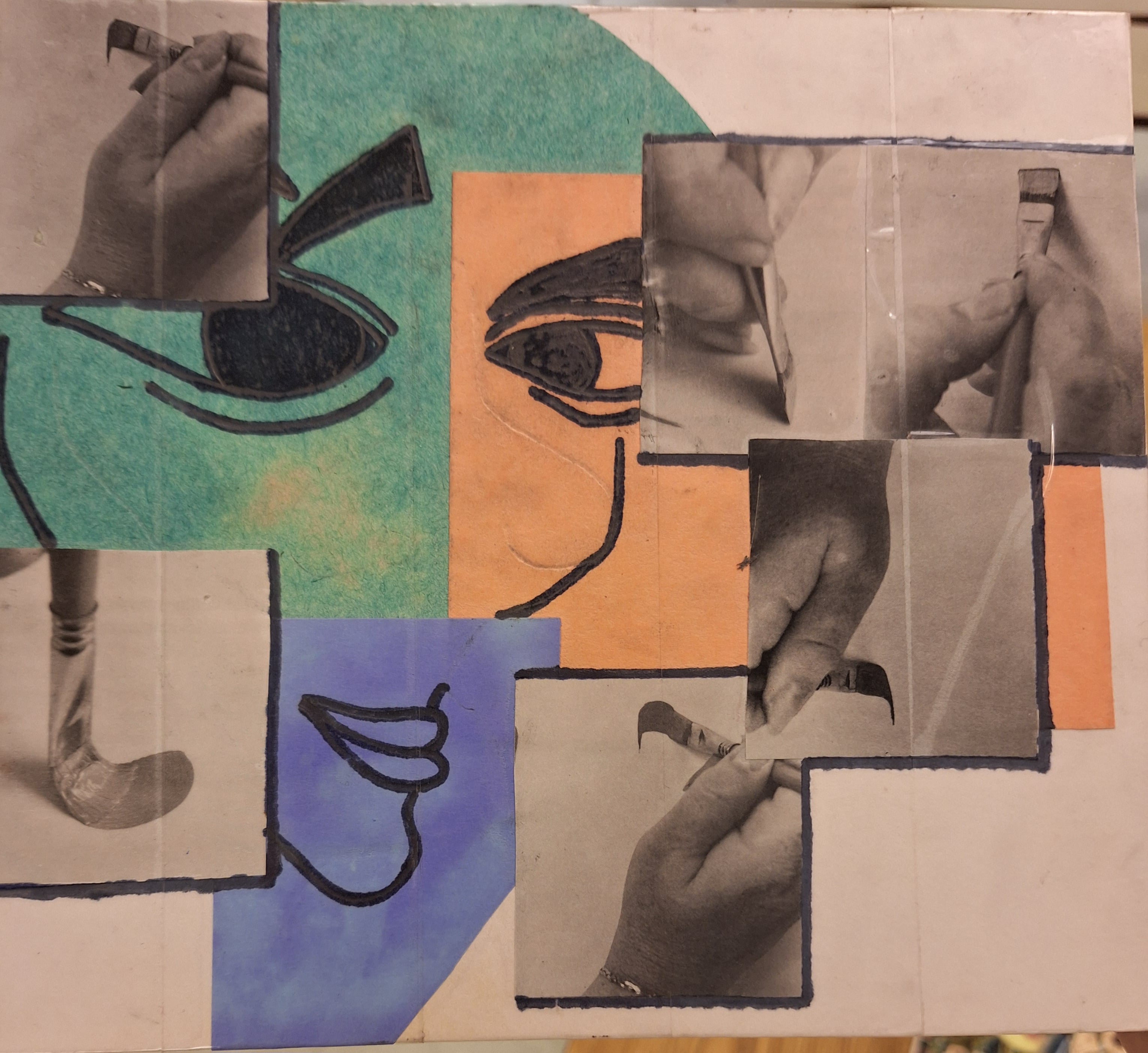
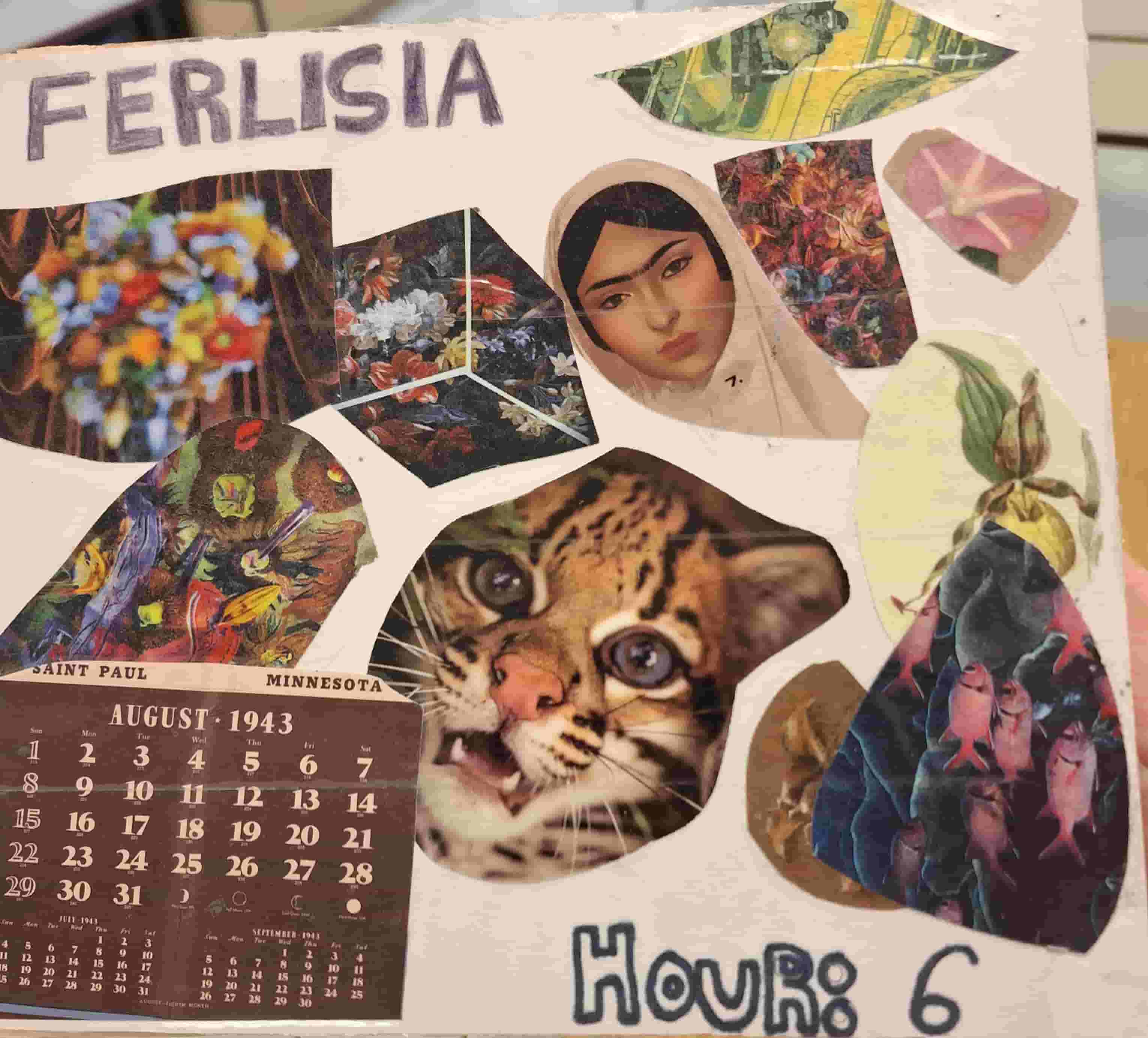
Here are some examples of students who got an B on their sketchbook.
Student Work (3-4 Points)
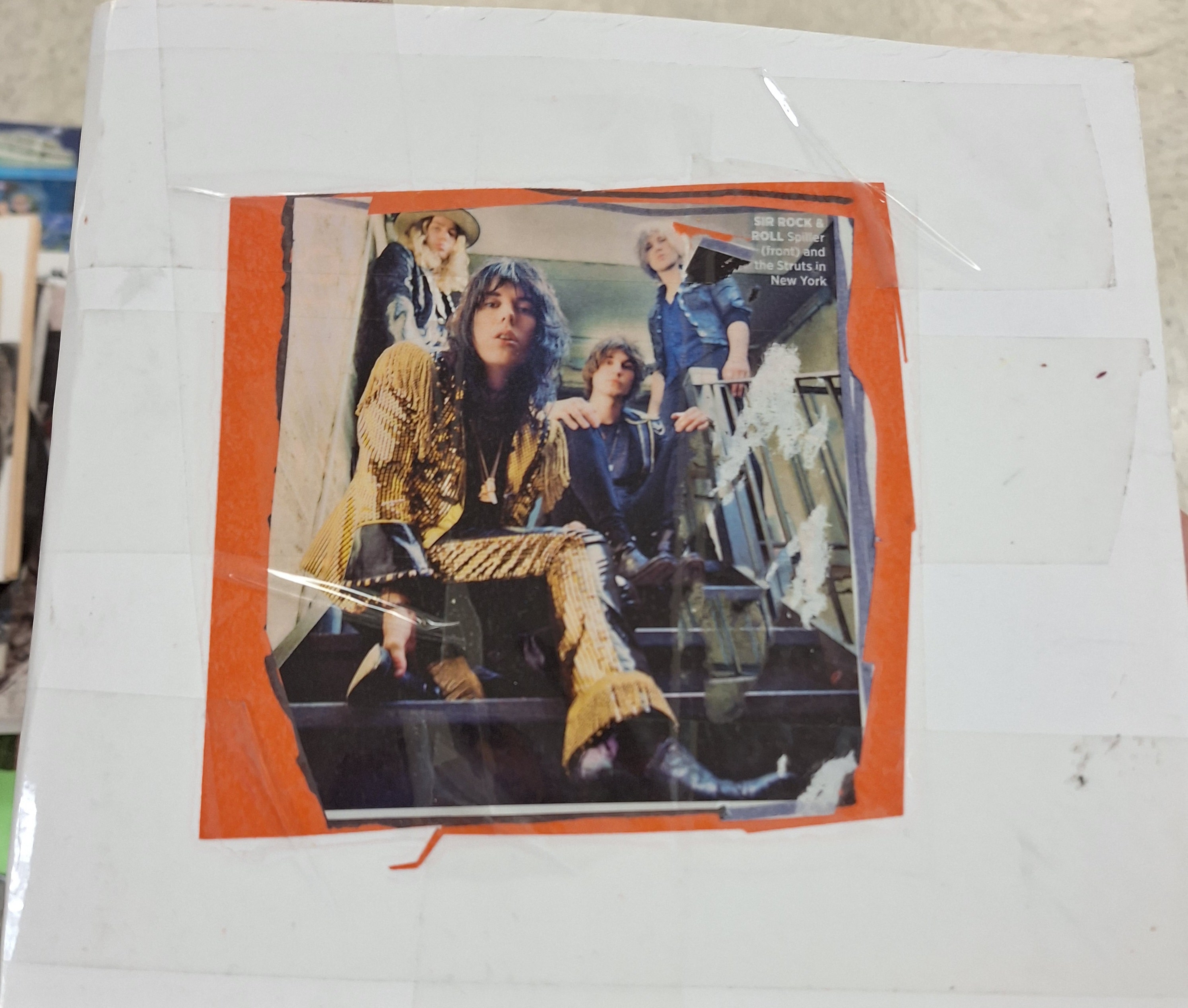
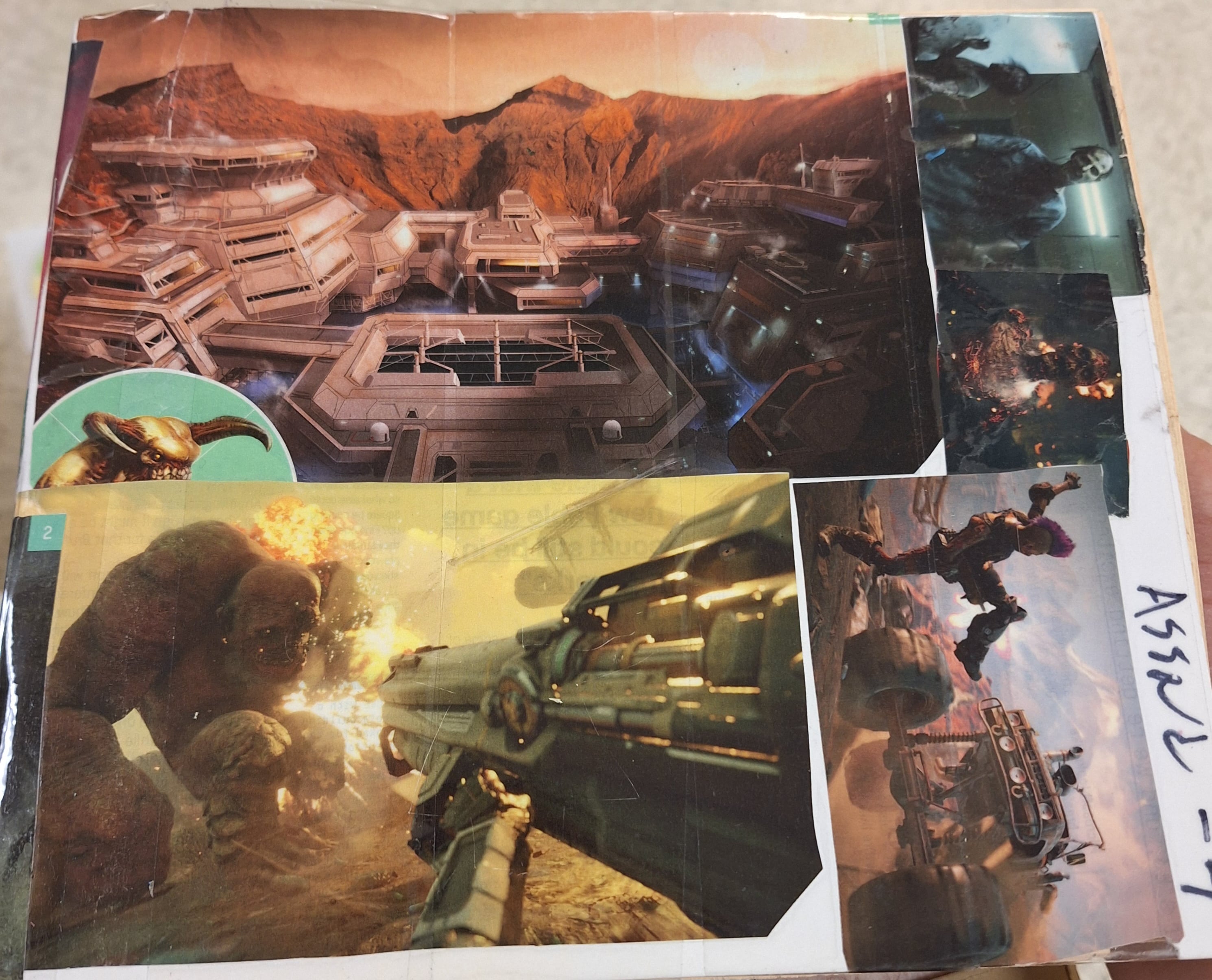
Here are some examples of students who got an C on their sketchbooks.
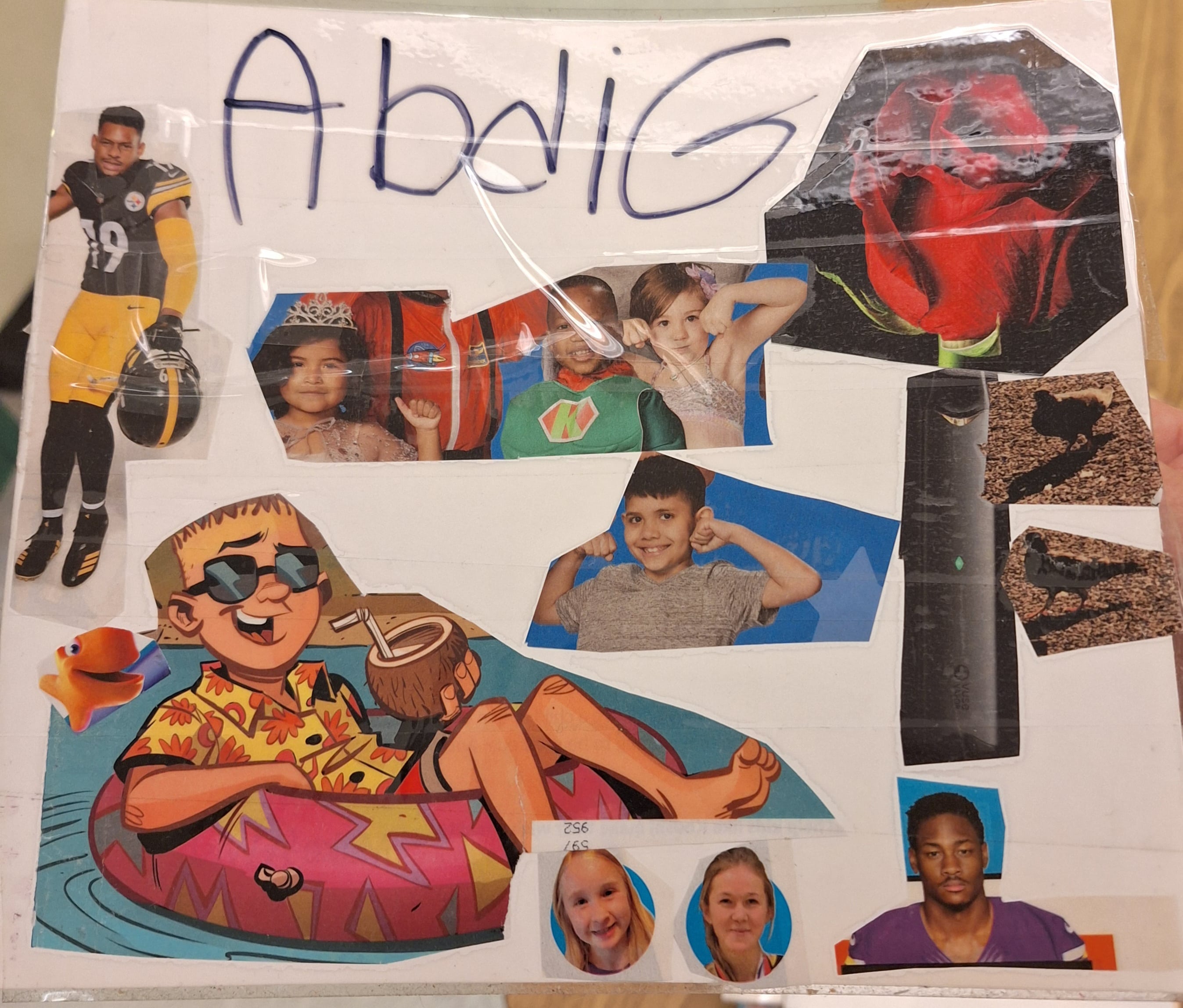
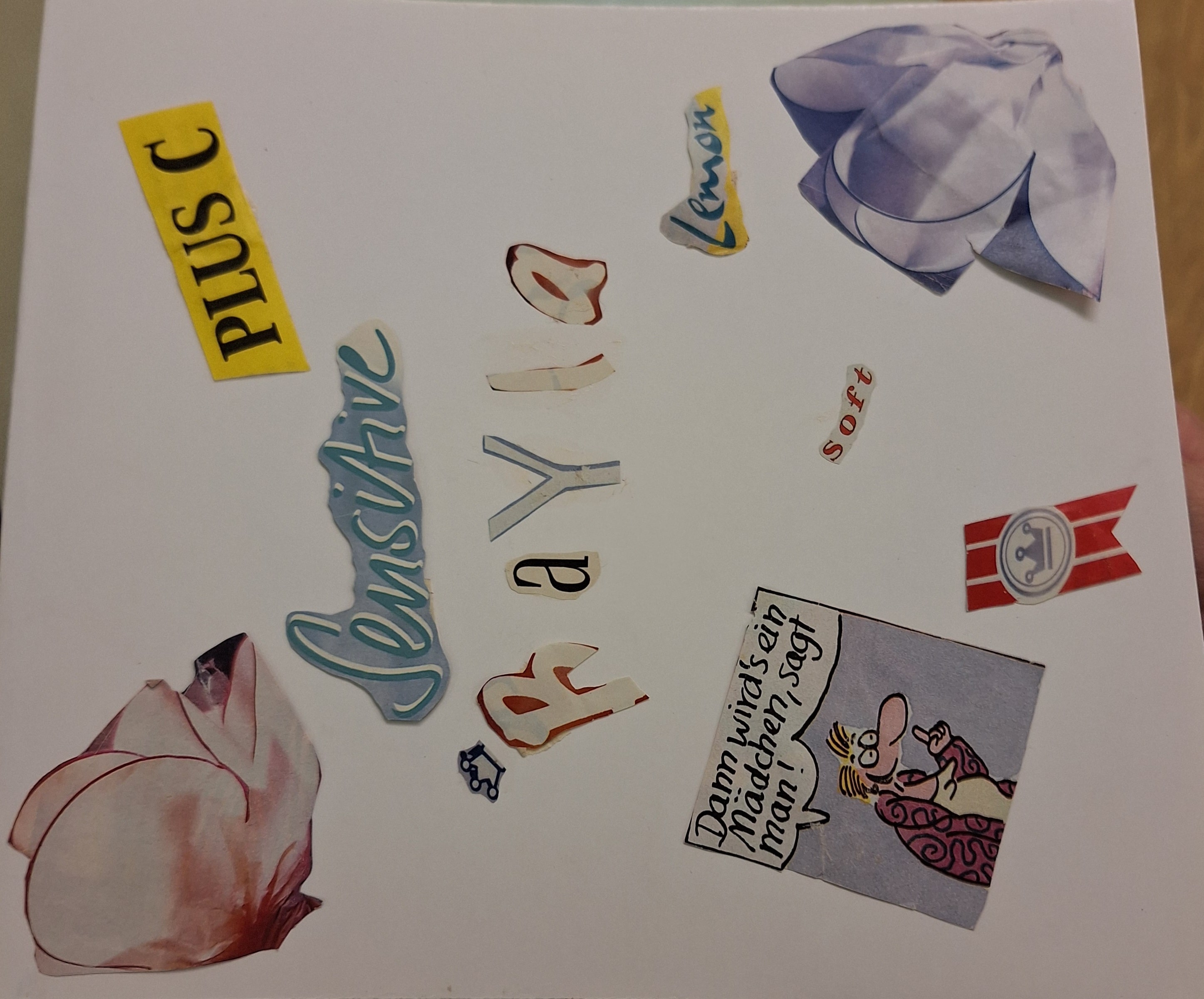
Student Work (1-2 Points)
Here are some examples of students who got an D or F on their sketchbook.